


Collagen Banking & “Future‑Proofing” the Skin: How Retinal, Peptides, & Lifestyle Choices Preserve Youthful Structure

Updated: Sep 19

Collagen is the architectural framework of the skin; the protein responsible for firmness, elasticity, smoothness, and youthful density. But starting in our mid‑20s, collagen naturally declines by about 1% per year, accelerating through stress, UV exposure, inflammation, and hormonal shifts. By the time most people notice sagging or fine lines, a significant amount of collagen has already been lost.
This is where collagen banking comes in, a modern skincare philosophy focused on preserving collagen before it disappears. Instead of waiting for visible aging to appear, collagen banking uses targeted actives, daily habits, and barrier‑supportive routines to “future‑proof” the skin and slow structural decline.
So, how does collagen banking work, why is it trending, and what goes into this long‑term skin preservation strategy?
What Is Collagen Banking?
Collagen banking is the practice of protecting and supporting collagen now, to maintain firmness and elasticity later.
Collagen banking focuses on:
Preventing collagen breakdown
Supporting collagen synthesis
Reducing inflammation
Protecting the skin from UV and environmental stress
Strengthening the barrier
Encouraging healthy cellular turnover
It’s not about reversing aging, it’s about slowing it.
Why Collagen Declines Over Time
Collagen loss is influenced by several biological and environmental factors:
1. UV Exposure
Some researchers claim "up to 80% of visible aging is caused by UV‑induced collagen breakdown". I doubt those numbers. Sunlight exposure is complex. The time of day matters, solar callus matters, red light & infrared light really matter, and, (believe it or not), even blue light has it's place. This is a big topic, which we will explore in a separate article.
2. Inflammation
Stress, pollution, and harsh skincare accelerate collagen degradation.
3. Hormonal Changes
Estrogen decline (perimenopause/menopause) dramatically reduces collagen production.
4. Lifestyle Factors
Poor sleep, smoking, high sugar intake, and chronic stress all impact collagen.
5. Natural Aging
Fibroblasts slow down, producing less collagen and elastin.
Collagen banking helps counteract these forces.
The Pillars of Collagen Banking
Modern collagen preservation relies on four key pillars:
1. Retinal (Retinaldehyde)
Retinal is one of the most powerful collagen‑supportive ingredients available, more potent than retinol, but gentler and better tolerated.
How it helps:
Stimulates collagen synthesis
Improves elasticity
Supports healthy cell turnover
Reduces fine lines
Strengthens the dermal structure
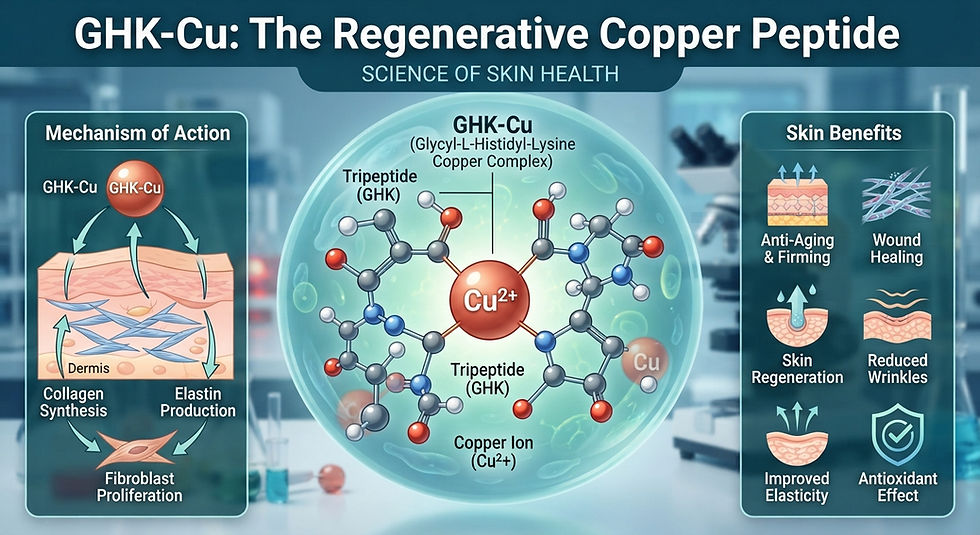
2. Peptides (Signal, Copper & Biomimetic)
Peptides act as messengers that encourage the skin to produce collagen, elastin, and structural proteins that help repair tissues.
How they help:
Support fibroblast activity
Reduce inflammation
Improve firmness
Enhance repair
Strengthen the barrier
3. Sunscreen (Daily, Elegant, Zero‑Cast Formulas)
Sunscreen is an essential collagen‑banking tool, but it has to be good quality. There are major issues with a lot of the formulas out there, so be diligent and do some research.
How it helps:
Prevents UV‑induced collagen degradation
Protects against photoaging
Reduces pigmentation and uneven tone
Supports long‑term firmness
The Good News: Altara has one on the way.
4. Barrier Support (Ceramides, Cholesterol, Fatty Acids)
A strong barrier reduces inflammation, and inflammation is a major collagen killer.
How it helps:
Reduces redness and irritation
Protects against environmental stress
Supports fibroblast health
Improves moisture retention
Enhances resilience
My Personal Favorite: Lifestyle Choices That Boost Collagen Banking
Collagen banking isn’t just about skincare, it’s also about daily habits that support long‑term skin health;
1. Sleep (7–9 hours)
Collagen production peaks during deep sleep.
2. Low Sugar Intake
Sugar causes glycation, which stiffens collagen fibers.
3. Stress Management
Cortisol breaks down collagen; exercise, community, breathwork, and gentle routines help.
4. Protein‑Rich Diet
Collagen is made from amino acids, adequate protein supports synthesis. This is the most under-rated life hack.
5. Avoiding Excess Heat
Saunas, hot yoga, and heat exposure can worsen melasma and collagen breakdown. I'm not a huge fan of this advice, but some researchers suggest this is factual, and I'm just reporting what I've read.
6. Daily SPF
The most important lifestyle choice for collagen preservation.
Altara’s Collagen Banking Routine
AM Routine
SPF
PM Routine
Gentle cleanse
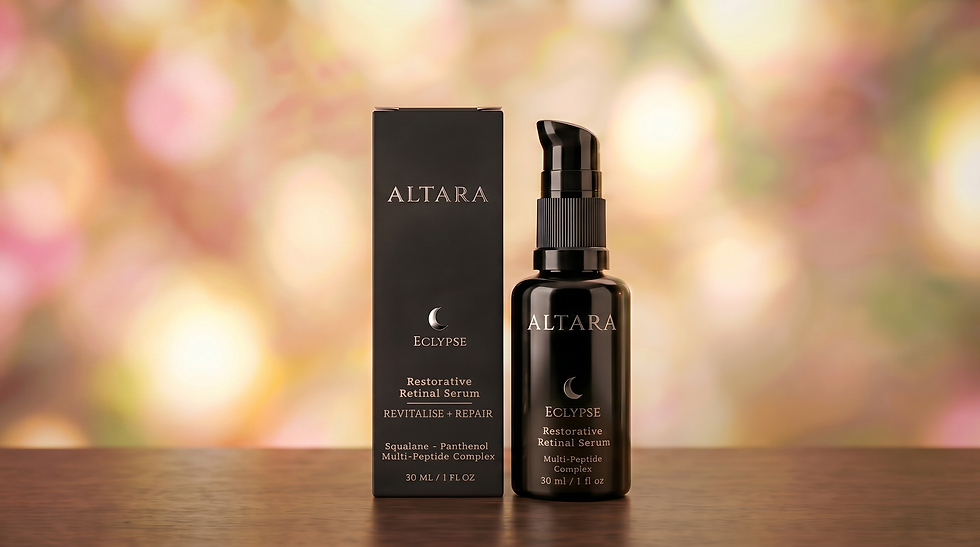
Eclypse Retinal Serum (2-4 nights/week)
Cyprus Copper Peptide Serum (non‑retinal nights)
Heira Nova Biomimetic Cream or Heira Lume Heritage Tallow Cream
Weekly Add‑Ons
Twilight Radiance Serum (brightening + inflammation control)
Mandelica Exfoliant Serum (gentle exfoliation for clarity)
This routine supports collagen synthesis, reduces breakdown, and strengthens the barrier, the three pillars of future‑proofed skin.
Start Now
Collagen banking is one of the most powerful ways to future‑proof the skin, preserving firmness, elasticity, and youthful structure long before visible aging appears. By combining retinal, peptides, sunscreen, and barrier‑supportive ingredients with smart lifestyle choices, you can dramatically slow collagen decline and maintain long‑term skin resilience. The best time to start Collagen Banking was 10 years ago, but the second best time to start is right now.
Comments