


Polyglutamic Acid vs Hyaluronic Acid: The New Moisture Debate in Modern Skincare

Hydration has always been the foundation of healthy skin, but the ingredients we rely on to deliver that hydration are evolving. For years, hyaluronic acid (HA) has been the undisputed champion of moisture retention. It’s in serums, creams, masks, and even makeup. But a new contender has entered the spotlight: polyglutamic acid (PGA); a next‑generation humectant that many experts now consider more effective than HA in certain applications.
As consumers become more ingredient‑savvy and demand deeper hydration without heaviness, PGA has surged in popularity across TikTok, Instagram, and dermatology circles. But is it actually better than hyaluronic acid? Or do they simply serve different roles?
Let’s break down Polyglutamic Acid vs Hyaluronic Acid, compare their strengths, and explore how each fits into modern, barrier‑friendly hydration routines.
What Is Hyaluronic Acid (HA)?
Hyaluronic acid is a naturally occurring humectant found in the skin, joints, and connective tissue. Its superpower is its ability to bind up to 1,000 times its weight in water, making it one of the most effective hydration molecules available.
Benefits of HA
Deep hydration
Plumps fine lines
Supports elasticity
Helps maintain a healthy moisture barrier
Works well for most skin types
Limitations of HA
Can evaporate in dry climates if not sealed with lipids
Lower‑weight HA can sometimes cause irritation in sensitive skin
Overuse can lead to tightness or dehydration if not paired with occlusives
HA is still a hydration hero, but it’s no longer the only one.
What Is Polyglutamic Acid (PGA)?
Polyglutamic acid is a peptide produced through fermentation (often from soybeans). It’s a humectant like HA, but with a different molecular structure and a different hydration profile.
Benefits of PGA
Holds up to 4-10x more water than hyaluronic acid
Creates a breathable moisture film on the skin
Reduces transepidermal water loss (TEWL)
Enhances the performance of other hydrators
Ideal for dehydrated, tight, or sensitive skin
Why PGA Is Trending
PGA doesn’t just pull water into the skin, it locks it in. This makes it especially valuable for people dealing with dehydration, barrier damage, or dryness caused by climate, retinoids, or over‑exfoliation.
PGA vs HA: The Hydration Showdown
Polyglutamic Acid vs Hyaluronic Acid
1. Water Retention
PGA: Holds significantly more water
HA: Strong, but less effective than PGA
2. Barrier Support
PGA: Forms a protective moisture film
HA: Hydrates but doesn’t lock moisture in as effectively
3. Skin Feel
PGA: Silky, smooth, non‑sticky
HA: Can feel tacky depending on formulation
4. Sensitivity
PGA: Very gentle, ideal for reactive skin
HA: Generally safe, but low‑weight HA can irritate some users
5. Best Use Cases
PGA: Dehydration, dryness, barrier repair, retinoid routines
HA: Daily hydration, plumping, layering under moisturizers
The Verdict
PGA isn’t “better” than HA, it’s stronger in certain areas and complements HA beautifully. Many modern formulas now use both for multi‑layer hydration.
PGA for the surface; HA for depth.
Where PGA Fits Into Modern Hydration Routines
PGA is especially beneficial for:
Retinal or retinoid users
People with tight, dehydrated skin
Those living in dry or cold climates
Barrier‑damaged or sensitive skin
Anyone who wants long‑lasting hydration without heaviness
It’s also ideal for skin flooding, moisture sandwiching, and skin cycling recovery nights.
Hydration With HA & PGA
Rain Dance Cleanser - PGA Formula
Non‑stripping cleansing that preserves hydration and prevents tightness.
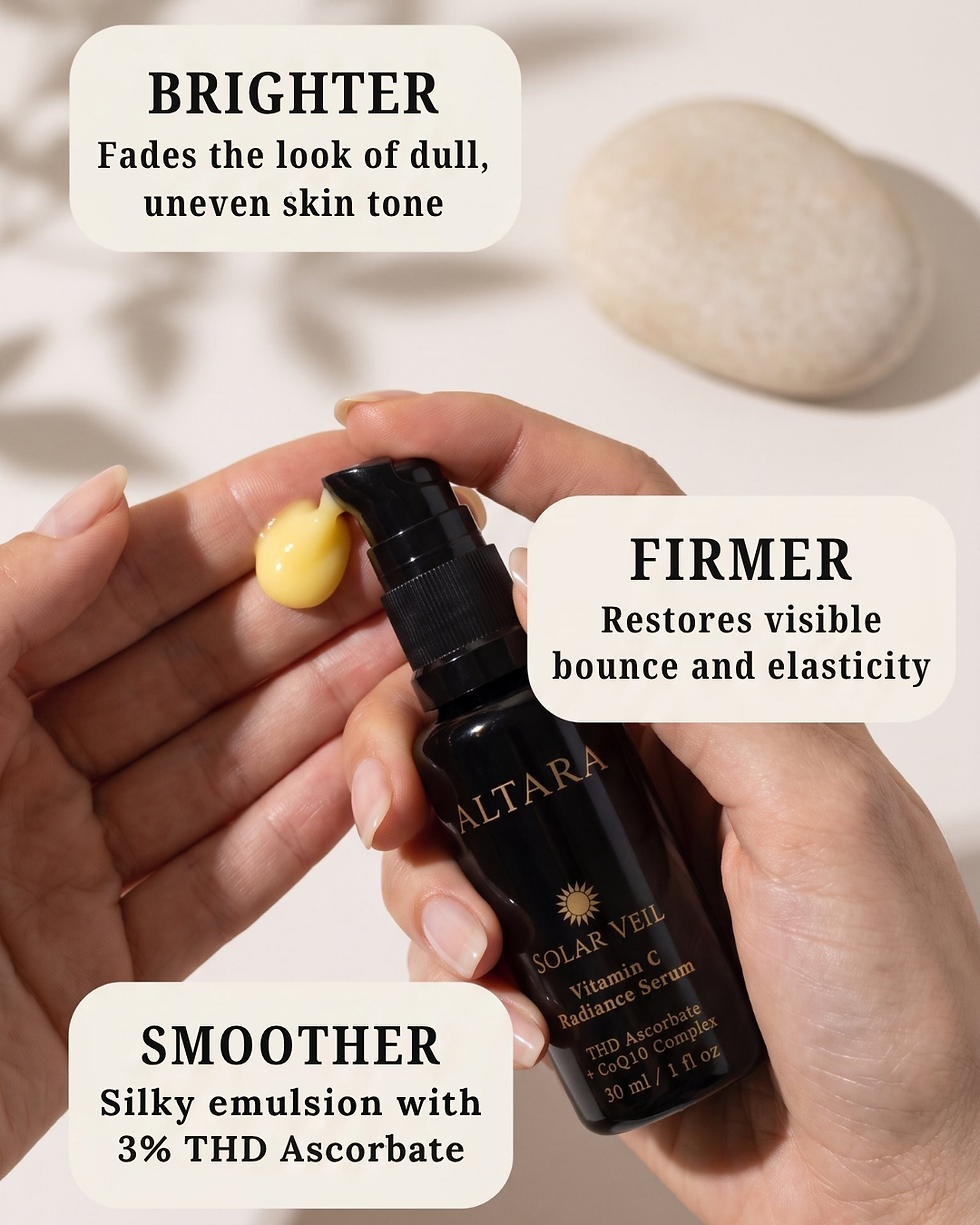
Solar Veil Serum + Twilight Radiance Serum
Hydrating antioxidants & HA moisture retention + environmental protection.
Cyprus Copper Peptide Protocol - Serum + Emulsion
Ceramides + Peptides that lock hydration in and strengthen the barrier.
Mantra Daily Peptide Moisturizer
Gentle renewal + biomimetic lipids for hydration and firmness.
How to Build a Hydration Routine
AM
PGA - Rain Dance Cleanser
Morning Star Peptide Serum
Cyprus Daily Moisturizer
SPF
PM
PGA - Rain Dance Cleanser
Solar Veil Radiance Serum
Heira Nova or Mantra
Weekly Add‑Ons
Twilight Radiance Serum (gentle brightening)
Mandelica Exfoliant Serum (controlled exfoliation)
What We Know

Polyglutamic Acid is a much larger molecule than Hyaluronic Acid. For that reason, PGA tends to sit on top of the skin, rather than penetrating deeply like HA.
PGA is one of the most exciting hydration ingredients in modern skincare, offering surface moisture retention, better barrier support, and a smoother skin feel than traditional hyaluronic acid. But HA still plays an essential role, and together, they create a powerful hydration duo.
PGA is worth the hype, but it has limitations. HA pairs more simply with most any formula delivering deep, long‑lasting moisture, comfort, and resilience for all skin types.
Hydration isn’t just about adding water, it’s about keeping it where the skin needs it most, and delivering it deep inside the skin matrix. PGA is complex, for that reason, HA is still the go-to ingredient.
Comments